






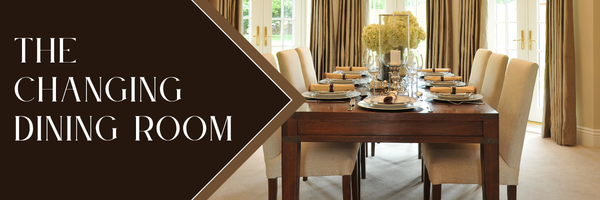
There was a time when a formal dining room was almost expected in a home. It had its own table, maybe a china cabinet, and was often saved for holidays, Sunday dinners, and company. Today, the dining room looks a little different.
From Formal to Flexible.
As open floor plans became more popular, kitchens, dining areas, and living spaces began flowing together. Research from the National Association of Home Builders found that 86% of recent and prospective buyers preferred a combined kitchen and dining area or an open kitchen rather than a separate dining room.
For many households, that also means the dining space isn’t reserved just for meals anymore.
The Dining Table Does It All.
Dinner might be served there at night, but during the day the same table could be used for homework, working from home, crafts, games, or sorting through the mail.
Even separate dining rooms have become more flexible. Some double as offices, playrooms, libraries, or additional living space when they aren’t being used for meals.
Then Come the Holidays.
This time of year can remind us why dining spaces haven’t completely disappeared. A room or table that may not get much attention during an ordinary week can suddenly become a gathering place when friends and family come together.
From a real estate perspective, there is no single “right” dining setup. Some people still love having a dedicated room for meals and gatherings. Others prefer an open dining area or a space that can serve several purposes.
The formal dining room may have changed, but the idea behind it has not. We still want places where people can sit down, share a meal, talk, and spend time together. The biggest difference is that today’s dining spaces often have a few more jobs to do.
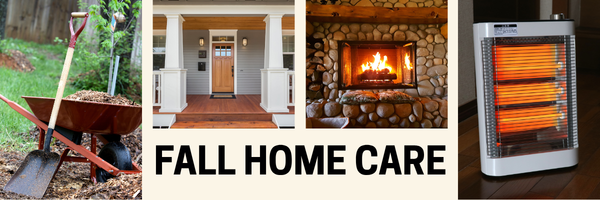

As fall winds down and we start heading toward winter, November is a good time to take care of a few things around the house. Some seasonal maintenance now can help prevent bigger problems later and keep your home comfortable through the months ahead.
Check Around Windows and Doors.
Take a few minutes to check windows and exterior doors for drafts or gaps. Worn weatherstripping or cracked caulking can allow outside air in and make it harder to keep your home comfortable. Many small gaps can be handled with fresh caulk or weatherstripping without turning into a major weekend project.
Give Your Heating System Some Attention.
If your home has a furnace or another heating system, make sure it is ready for the season. Replace or clean the filter if needed and pay attention to unusual noises or odors when the system is running. Depending on your system, this may also be a good time to schedule routine professional maintenance.
Take a Look Outside.
Leaves, branches, and other debris can collect in gutters and prevent water from draining properly. Clearing gutters and checking downspouts can help keep water moving away from the house. If freezing temperatures are common where you live, outdoor hoses and irrigation systems may also need to be drained or winterized.
Homes in warmer climates may not require the same winter preparations, but November is still a useful time to inspect outdoor areas, irrigation equipment, drainage, and exterior surfaces for anything that may need attention after summer and fall weather.
Don’t Forget the Fireplace.
If you have a wood-burning fireplace, consider having the chimney cleaned and inspected before using it regularly. Creosote and other debris can build up over time, so routine maintenance can help keep the fireplace ready for those colder evenings.
Home maintenance doesn’t have to mean tackling everything at once. A few small checks throughout the year can help you stay ahead of repairs and take better care of one of your biggest investments: your home.